
In 2025, Lake Superior State University (LSSU) received a multi-million-dollar grant to support the International Consortium on Oil Research for Our Waters of the North. The funding aims to advance scientific knowledge and develop innovative oil spill response technologies.
Freeboard Technology and its parent company, LimnoTech, have partnered with the consortium to aid in the development, design, build, and evaluation of oil spill monitoring technologies.
Freeboard focused its efforts on two areas:
- Development and Evaluation of Oil Spill Sensors
- Design and Build of Wave Maker
Various types of oil-derived products are transported across the Great Lakes. Different types of oil products exhibit distinct optical properties, requiring distinct sensing technologies. Additionally, oil sensors have different maintenance schedules and mechanisms to prevent biofouling. In the first phase of the project, Freeboard procured and tested a variety of sensors to determine which sensors would best support a Great Lakes oil spill monitoring network.
Freeboard staff traveled to Lake Superior State University to test a variety of sensors for measuring oil in various petroleum products, including refined fuel and crude oil. At the conclusion of testing, Freeboard recommended a low-cost oil sensor that was easy to maintain and had performance similar to that of higher-cost sensors. Additionally, a lower-cost oil sensor enabled the project to expand the oil spill monitoring network.
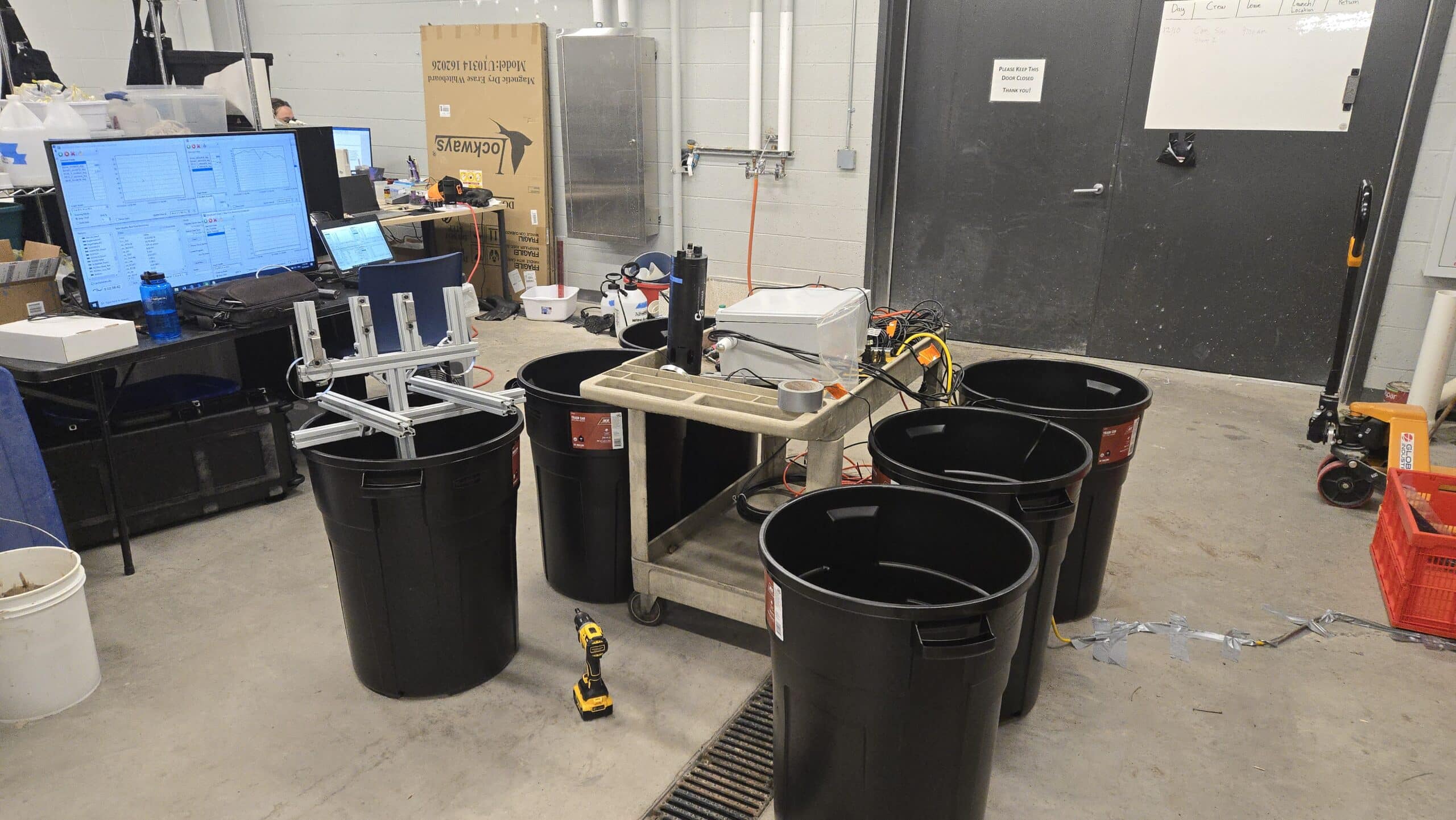
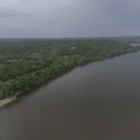
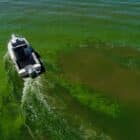
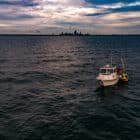
Following the testing, Freeboard built 10 real-time oil monitoring stations to deploy over the winter in varying locations across the Great Lakes region to evaluate performance and durability, and to provide valuable oil detection data previously inaccessible. The sensors were deployed by Freeboard and partner institutions: Algoma University, University of Windsor, and Bays Mills Indian Community.
“Freeboard’s ability to build a custom batch of real-time sensors quickly was instrumental in rapidly deploying 10 oil sensors around the Great Lakes region. Having in-house engineers and developers allows us to quickly prototype and then deploy cutting-edge technology.”
– Ed Verhamme, President of Freeboard
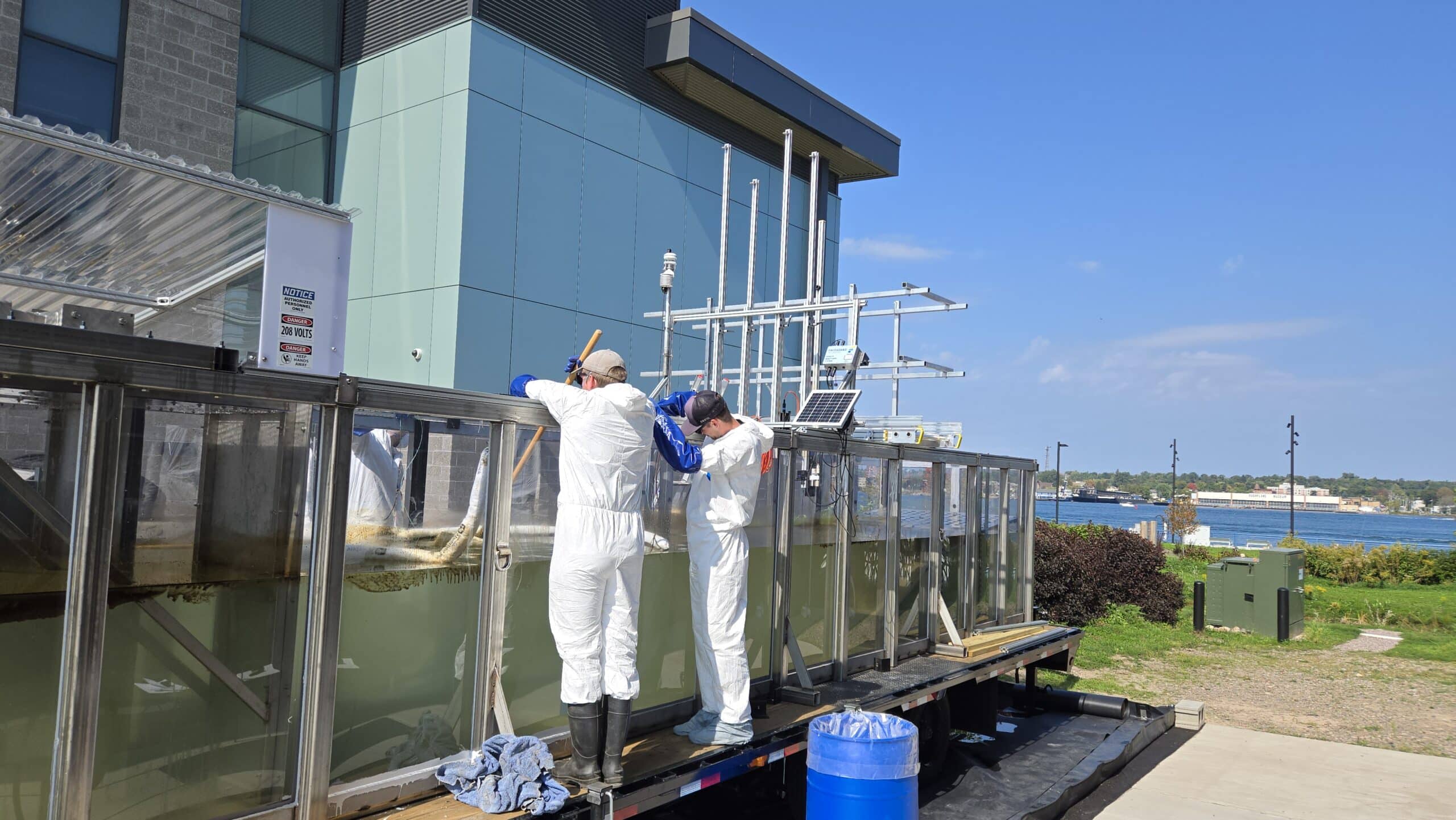
The second part of this project was to design and build a custom wave generator. The wave tank will be used to conduct controlled experiments to simulate how oil-based products get entrained in waves, attenuation of oil-based products onto a beach, and the performance of various oil sensors in a simulated real-world environment.
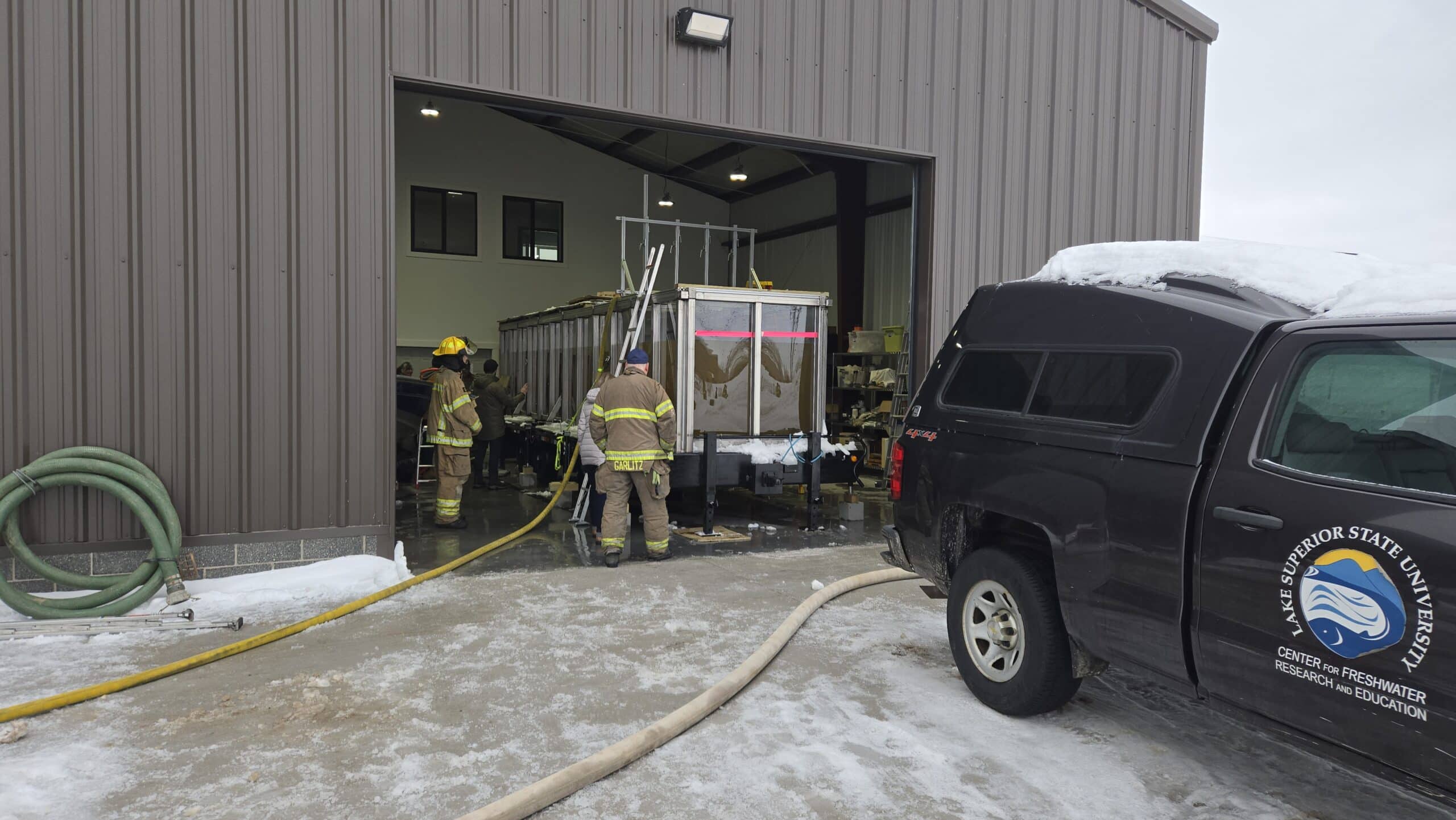
Zach Gordon, Product Engineer at Freeboard and LimnoTech, led the design, build, and installation of the wave maker. Taking into consideration the project’s current needs and potential future applications, Zach designed a wave maker that provided both reliability and flexibility. This involved a stringent mechanical review, functional reviews with Lake Superior State University, and seeking specialized expertise from both a controls engineering company and a local machine shop, which contributed to the finished product. The wavemaker was installed, and initial testing was performed in August of 2025, followed by extensive further testing during the first oil trials the following month.
Zach notes that “Developing a complex system such as a wavemaker requires consistent collaboration and tireless technical work. I was fortunate to have the support of excellent technical contributors who saw the value in what we were building and the project as a whole. I’m looking forward to seeing the results of this machine’s use in both the ICOR project and beyond.”
Over the next year, Freeboard and LimnoTech will continue to support the deployment of the 10 oil sensors and evaluate their performance, with a particular focus on the winter period.
More information about the project can be found in the Press Release linked below.